Win customers profitably
Meera cut prices by ₹4,000 to sell more, but did it pay off? See how segments, pricing and customer economics show which sales are worth winning.
The Diwali sale
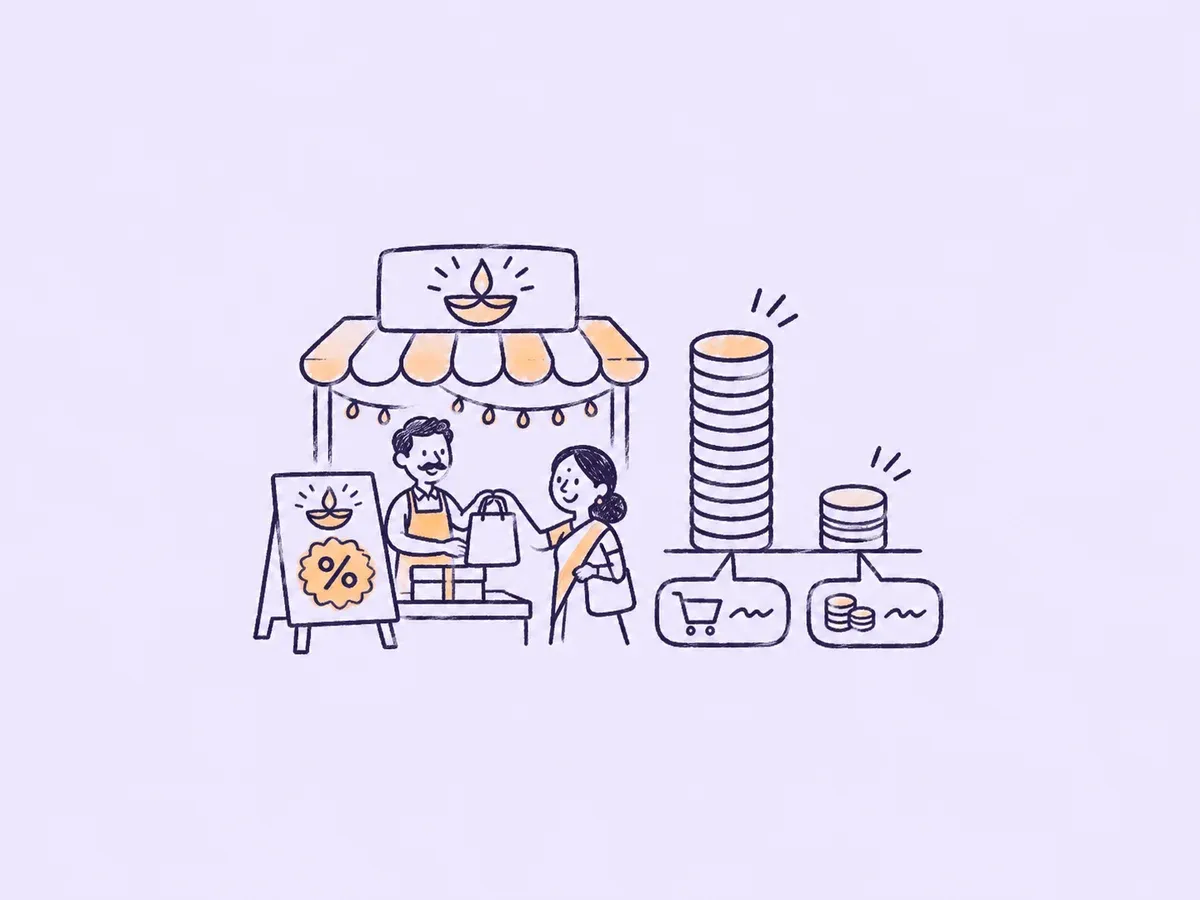
Every Diwali, phone shops and shopping apps announce big discounts. Buyers rush in and everything looks busy.
Meera tried the same idea this year, taking ₹4,000 off every scooter. Sales jumped 25%. It looked like a clear win.
The discount that earned nothing
Let’s set the cost rise aside and look at the discount alone:
Before discount:20,000 sold × ₹20,000= ₹40 croreAfter discount:25,000 sold × ₹16,000= ₹40 croreMeera sold 5,000 more scooters for no extra contribution.
Ohmae’s 3Cs
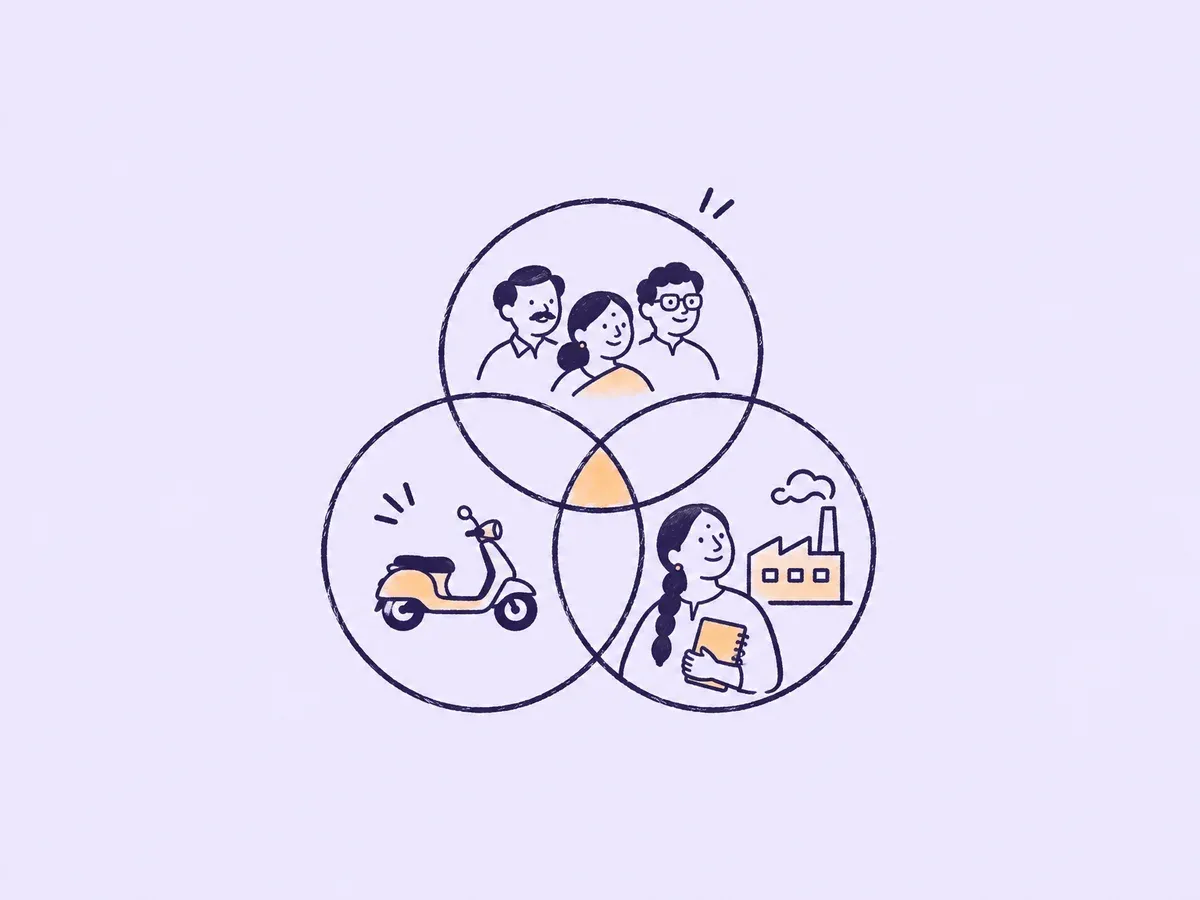
Before touching the price again, Meera steps back. Strategist Kenichi Ohmae suggested studying 3 things together: customers, competitors and company (the “3Cs”).
What do her buyers value? What do rivals offer? What can her company do better than them?
Who actually buys?
Meera’s buyers aren’t one crowd. Groups with similar needs are called “segments”:
- Students: want the lowest price
- Office commuters: want reliability and range
- Delivery riders: want low running costs
The discount went to all 3, though mostly students needed it.
3 ways to set prices
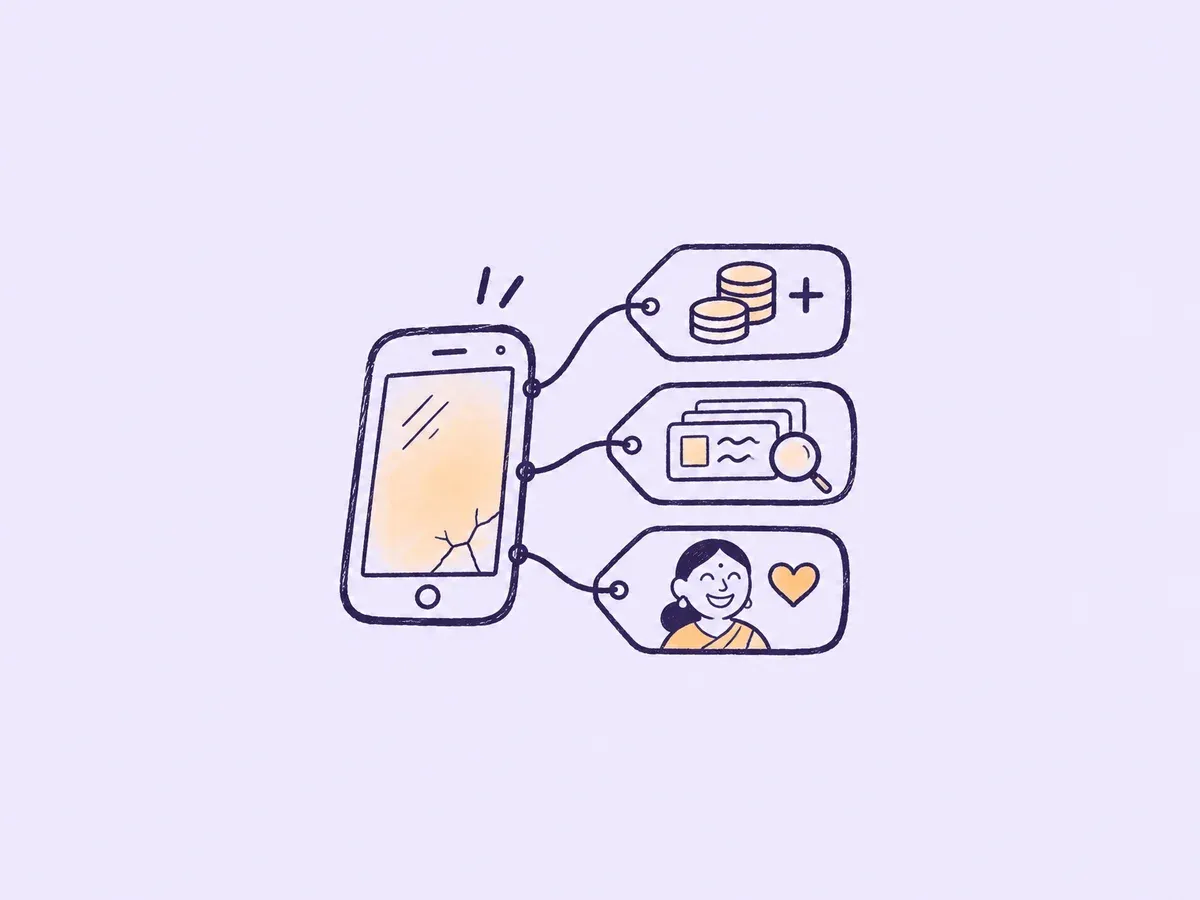
Say you’re selling a used phone. You could add some profit to what you paid, match similar online listings or ask what it’s worth to the buyer.
These are “cost-based”, “competitor-based” and “value-based” pricing.
What is a scooter worth?
A commuter compares Meera’s scooter with a petrol one. Here are some made-up yearly costs:
Petrol ₹24,000Charging ₹4,000Saved ₹20,000Over 3 years, that’s ₹60,000 saved. Meera can sell this saving instead of cutting ₹4,000 from the price.
The cost of a customer
Say Meera spends ₹2.5 crore on ads and test-ride events, and wins 5,000 new buyers:
₹2,50,00,000 ÷ 5,000= ₹5,000 per buyerThis is the “customer acquisition cost” (CAC). On its own it says little. What does each buyer bring back?
What a customer is worth
A buyer keeps paying after the first sale. The profit from that whole relationship is called “lifetime value” (LTV):
Scooter sale ₹20,000Servicing ₹8,000Accessories ₹2,000LTV ₹30,000That is 6 times the ₹5,000 CAC, so this buyer is worth winning.
Dealers and channels
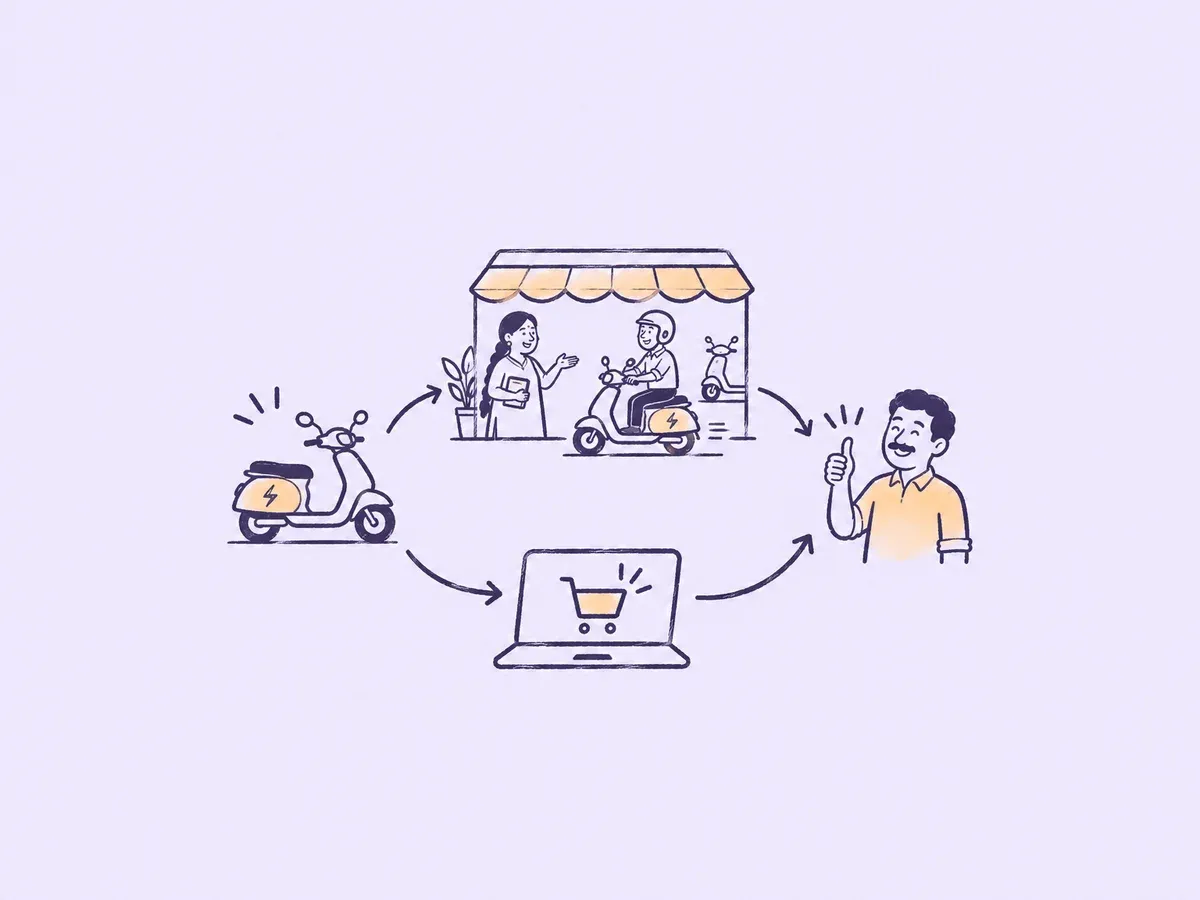
The route a scooter takes to its buyer is called a “sales channel”. Meera’s dealers offer test rides and nearby service, but keep a cut of each sale.
Selling online saves that cut, yet buyers can’t try the scooter first. So she keeps dealers for commuters.
Summary
- Discounts: A price cut must lift sales enough to replace the lost contribution.
- Customers: Use the 3Cs, then group buyers into segments by need.
- Pricing: Price from the value buyers get, not only from cost.
- Customer economics: Compare lifetime value with acquisition cost, and choose channels carefully.