Find the real problem
Sales are up 25% but profit is down 75%, so where do you even start? See how to break a messy problem into parts, test a hunch and find the leak.

The scooter that won’t start
Your scooter won’t start on a Monday morning. You don’t replace the engine first. You check the fuel, then the battery, then the spark plug, one by one.
A business in trouble needs the same calm, ordered search.
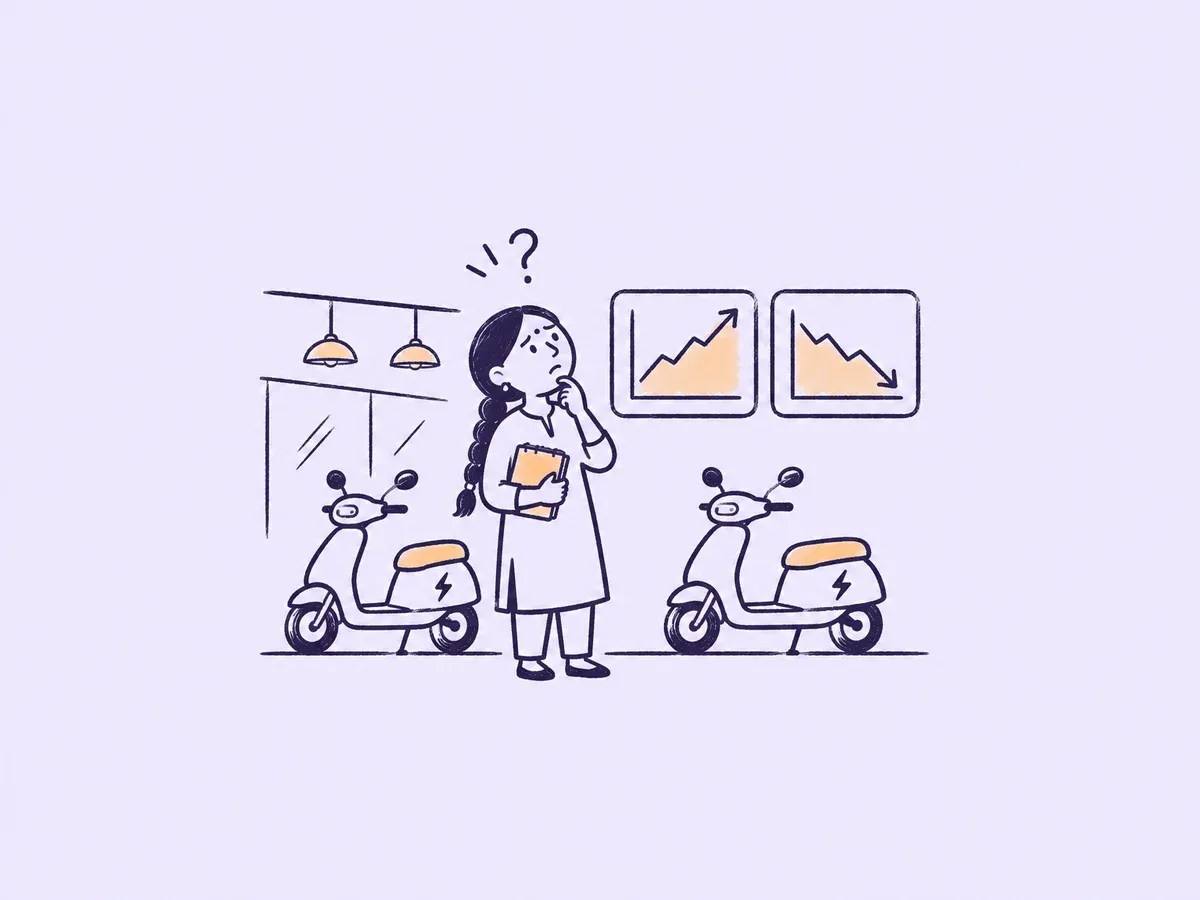
More sales, less profit
Meera runs an electric scooter company in Coimbatore. This year she sold 25,000 scooters, up from 20,000. The team celebrated.
Then the accounts arrived. Profit had fallen from ₹20 crore to ₹5 crore. How can selling more leave her with less?
Sharpen the question
“Fix our profit” is too vague to act on. Consultants first turn it into a question with a number and a deadline:
Vague:How do we fix profit?Sharp:How do we get profit back to₹20 crore within 12 months?Now everyone knows what success looks like.
MECE: no gaps, no overlaps
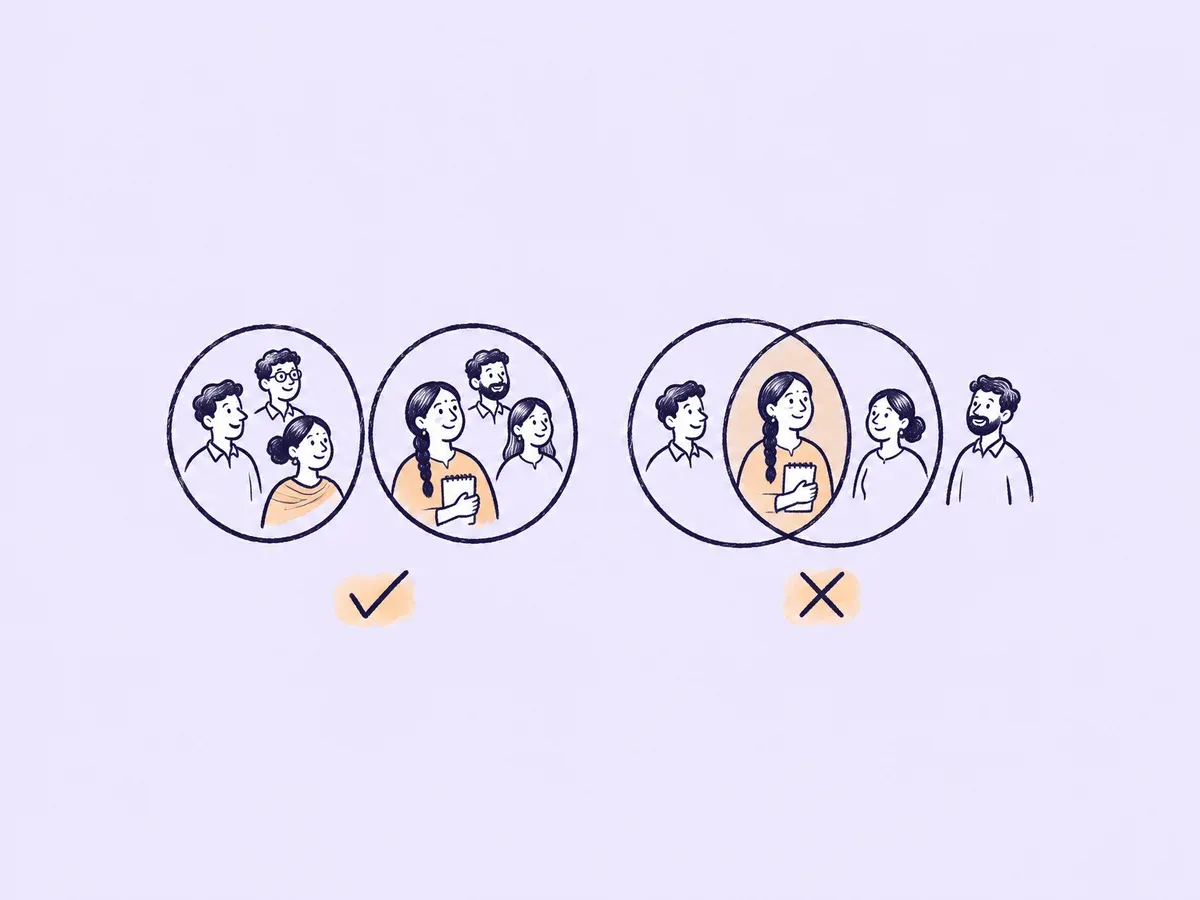
Split a class into “under 18” and “18 or older”, and every student lands in exactly 1 group. Split it into “sporty” and “clever”, and some land in both while others land in neither.
The first split is “MECE”: mutually exclusive, collectively exhaustive.
The profit tree
Meera applies MECE to profit. Breaking a problem into branches is called an “issue tree”, and this one is the “profit tree”:
Profit├ Revenue│ ├ Price│ └ Scooters sold└ Costs ├ Same every month └ Grow with salesEvery cause of falling profit sits on 1 branch.
Fixed and variable costs
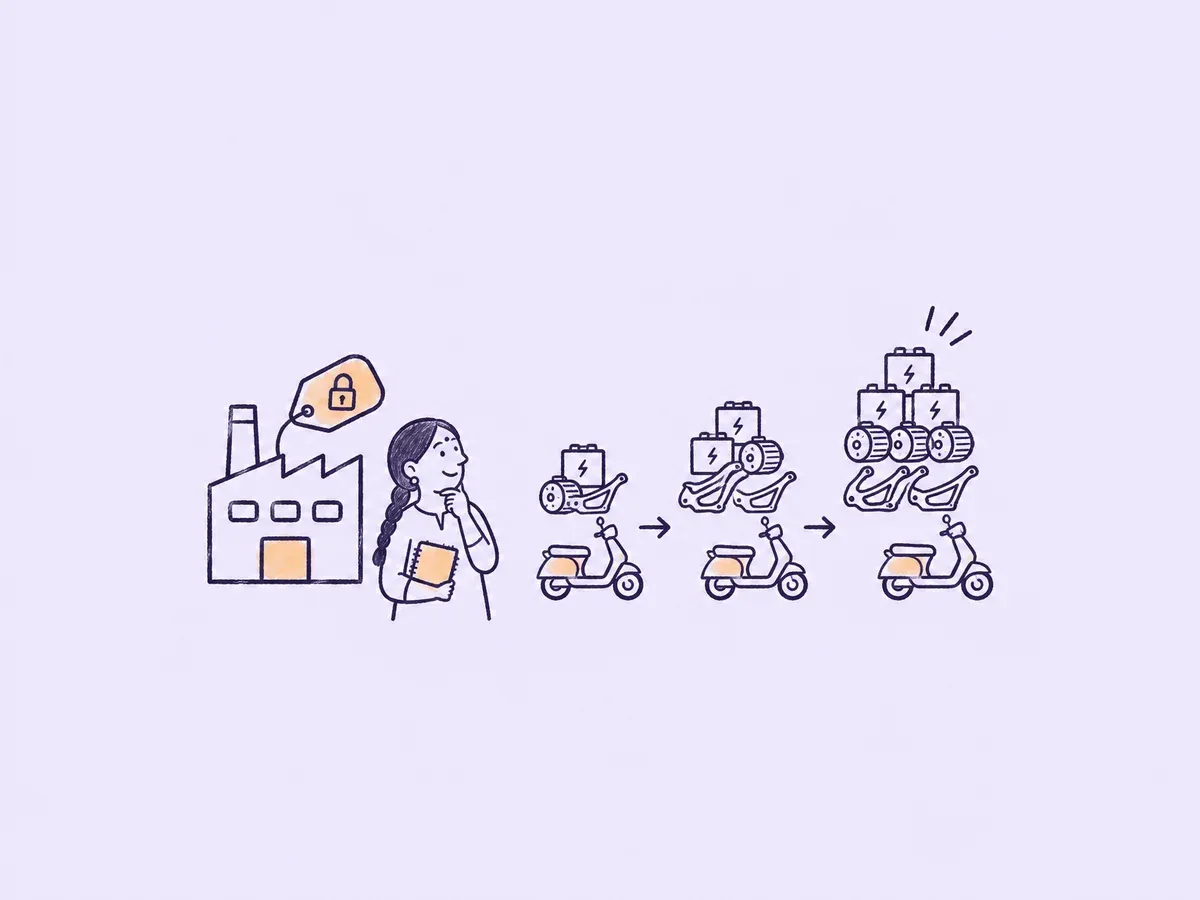
Meera pays the same factory rent and office salaries whether she makes 1 scooter or 25,000. These are “fixed costs”.
Every scooter also needs a battery, a motor and a frame. More scooters mean more of these, so they are “variable costs”.

Start with a hunch
A doctor doesn’t order every possible test. She forms a likely explanation from your symptoms, then checks it.
Meera does the same: “We gave big discounts, so I suspect price is hurting us.” A hunch you can test is called a “hypothesis”.
Meera’s numbers
Let’s simplify with made-up round numbers:
Last year This yearScooters 20,000 25,000Price ₹ 1,00,000 96,000Cost ₹ 80,000 86,000Fixed ₹ 20 crore 20 croreProfit ₹ 20 crore 5 crorePrice did fall, so her hunch has some truth. But look at the cost line too.
Profit per scooter
What does each sale leave after its own variable cost? This is its “contribution”:
Last year:1,00,000 − 80,000 = 20,000This year:96,000 − 86,000 = 10,000Now 25,000 × ₹10,000 gives ₹25 crore. After ₹20 crore of fixed costs, only ₹5 crore remains.
Two leaks found
Each scooter earns ₹10,000 less, for 2 reasons:
- Price: down ₹4,000 because of discounts
- Cost: up ₹6,000 per scooter
So Meera’s hunch was only partly right. Cost is the bigger leak. The next 2 lessons tackle each one.
Summary
- Sharp question: Give the problem a number and a deadline.
- MECE: Split problems with no gaps and no overlaps, as in the profit tree.
- Hypothesis: Start with a likely cause, then test it with data.
- Contribution: Price minus variable cost shows what each sale really earns.