What product managers do
Who decides what an app should do next? See how product managers choose problems, balance users and business and lead teams without being the boss.
The phone shop owner
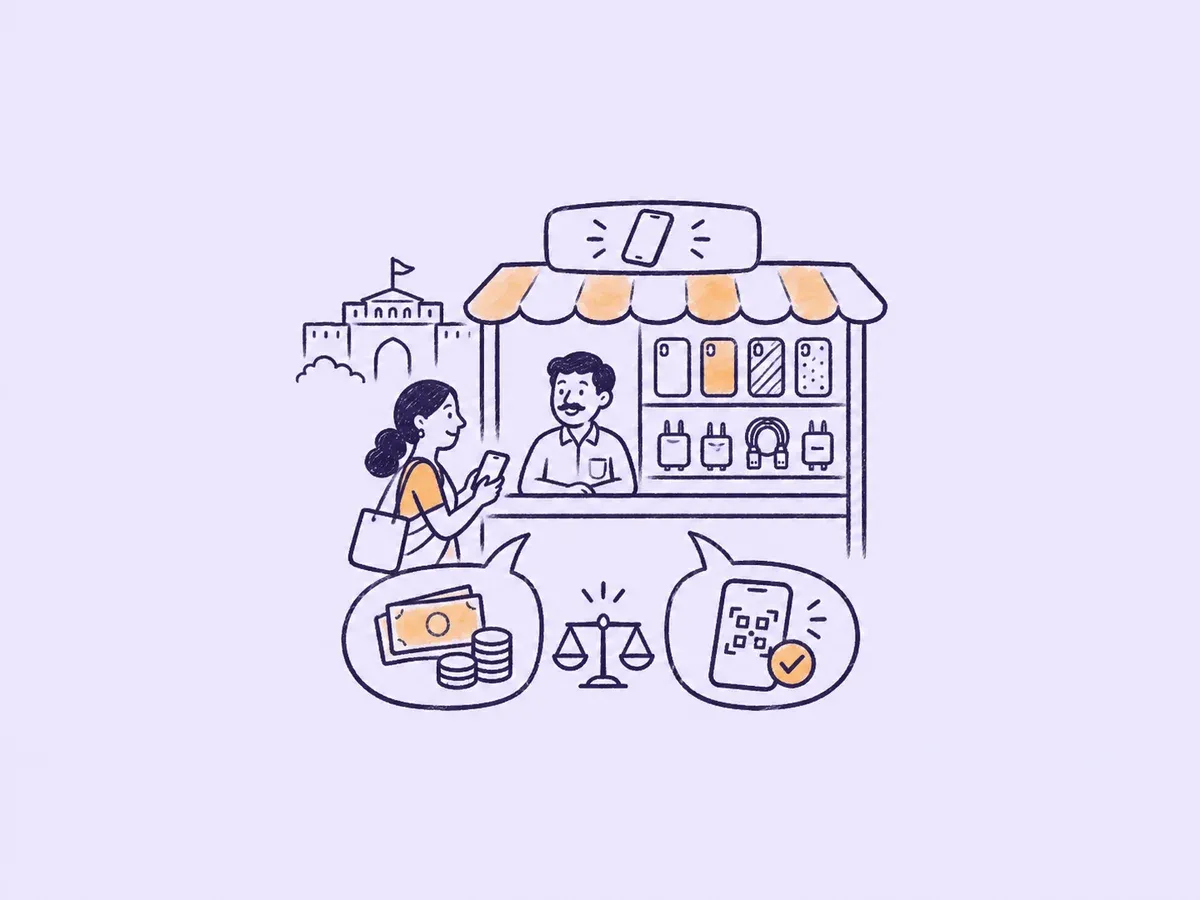
Think of Imran, who runs a phone shop in Pune. He decides which phones to stock, which customers to serve and what price works.
Nobody hands him a list. He watches buyers, makes a call and learns from sales.
What is a product?
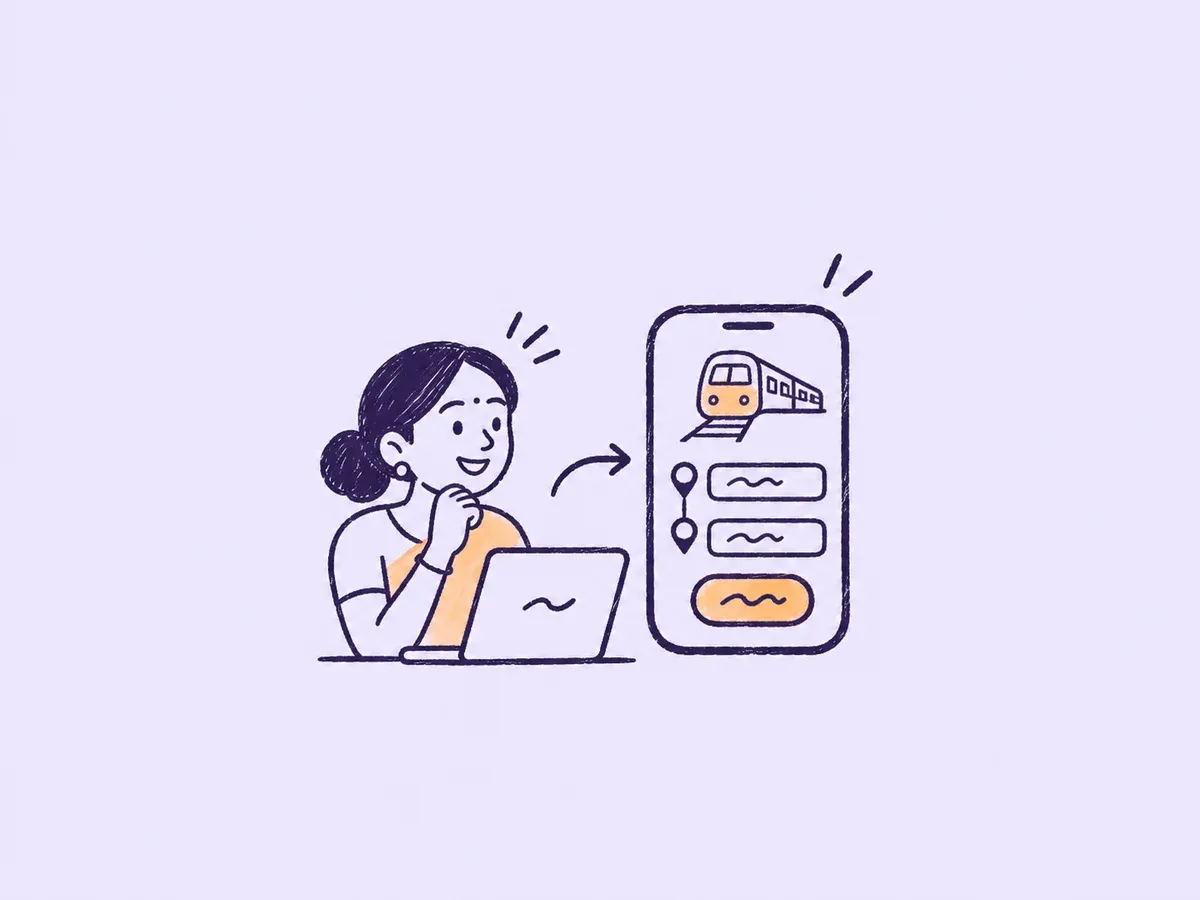
A product is anything people use to solve a problem. Google Pay solves paying without cash. IRCTC solves booking a train ticket from home.
Apps like these need someone making Imran’s kind of decisions too. What should they offer next, and for whom?
Who decides what gets built?
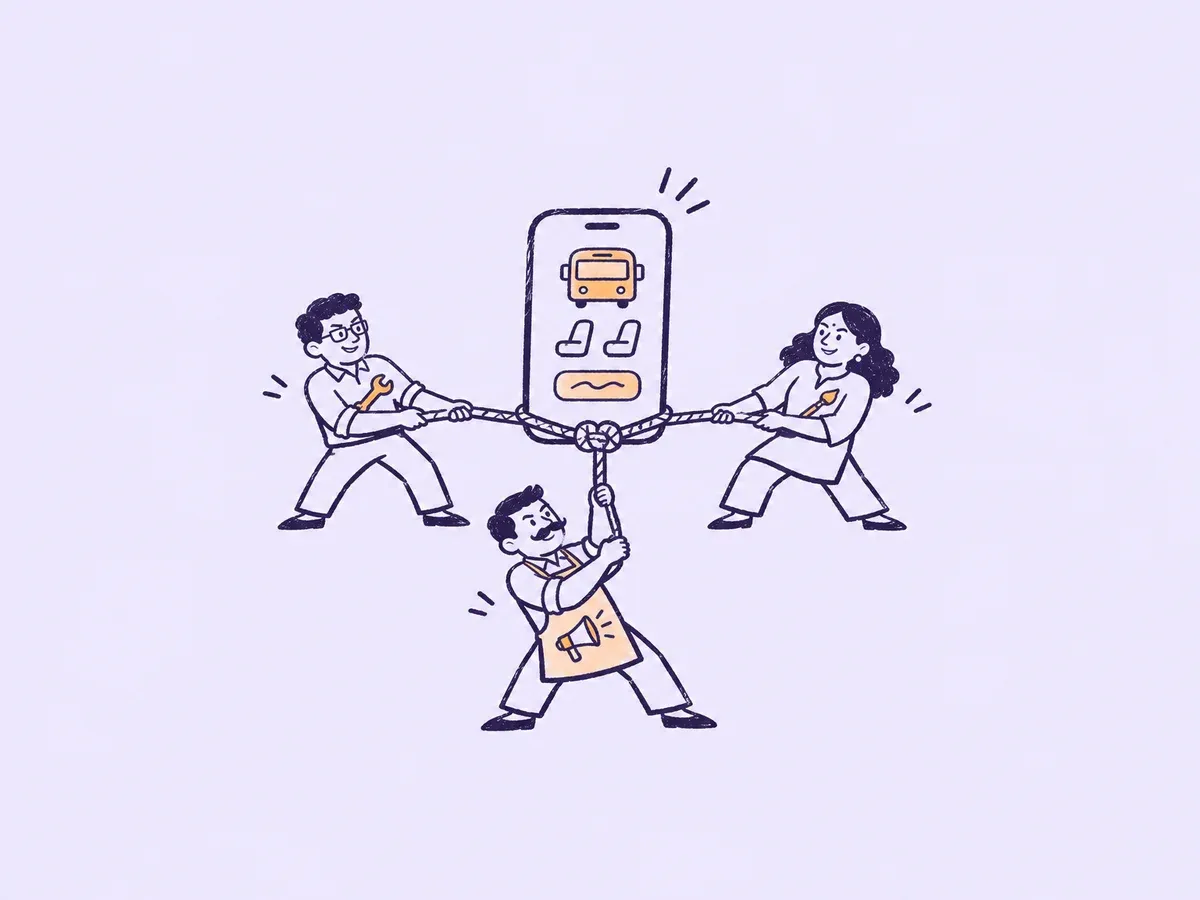
Picture a bus-booking app, used for trips like Pune to Nagpur. Engineers want to fix old code. Designers want a cleaner look. Marketing wants a Diwali offer.
All 3 are sensible, but the team can’t do everything at once. Who sets the direction?
The product manager
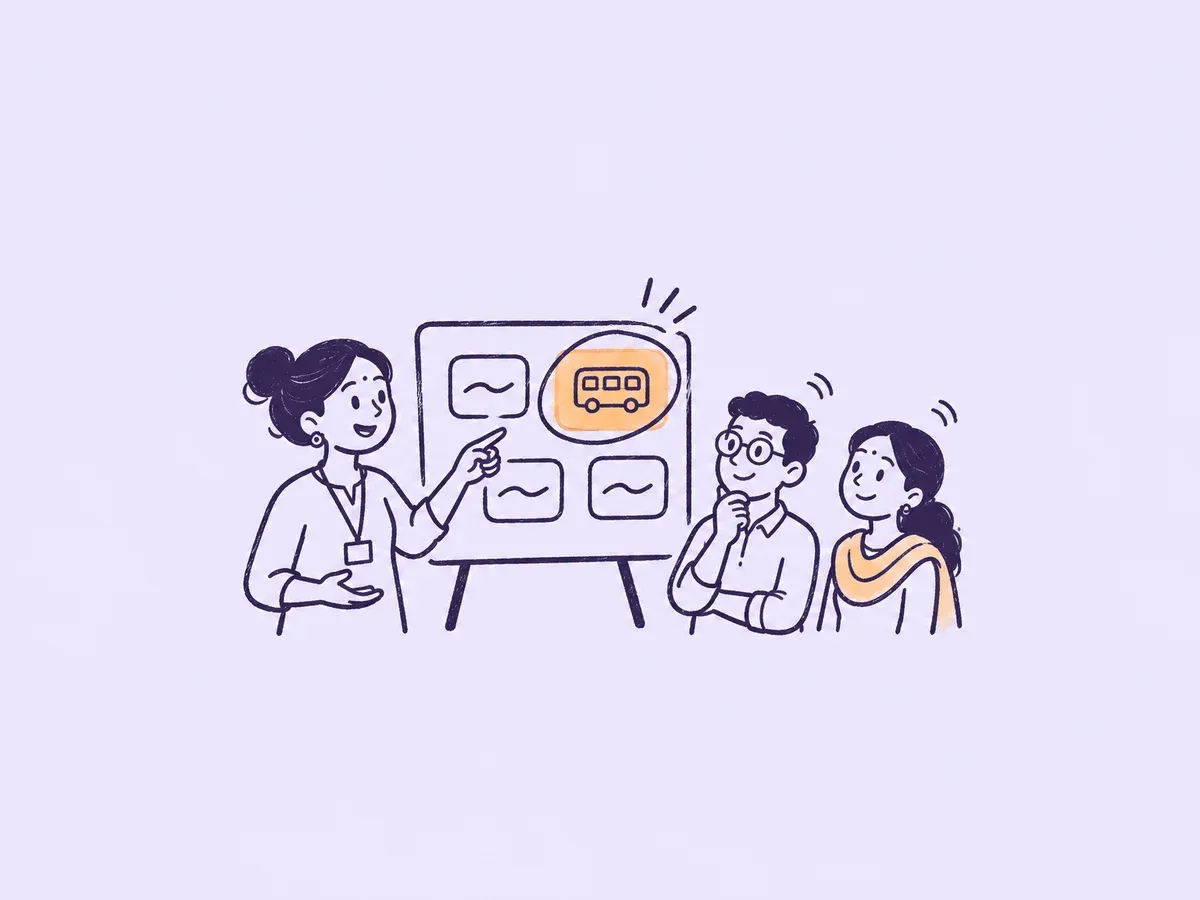
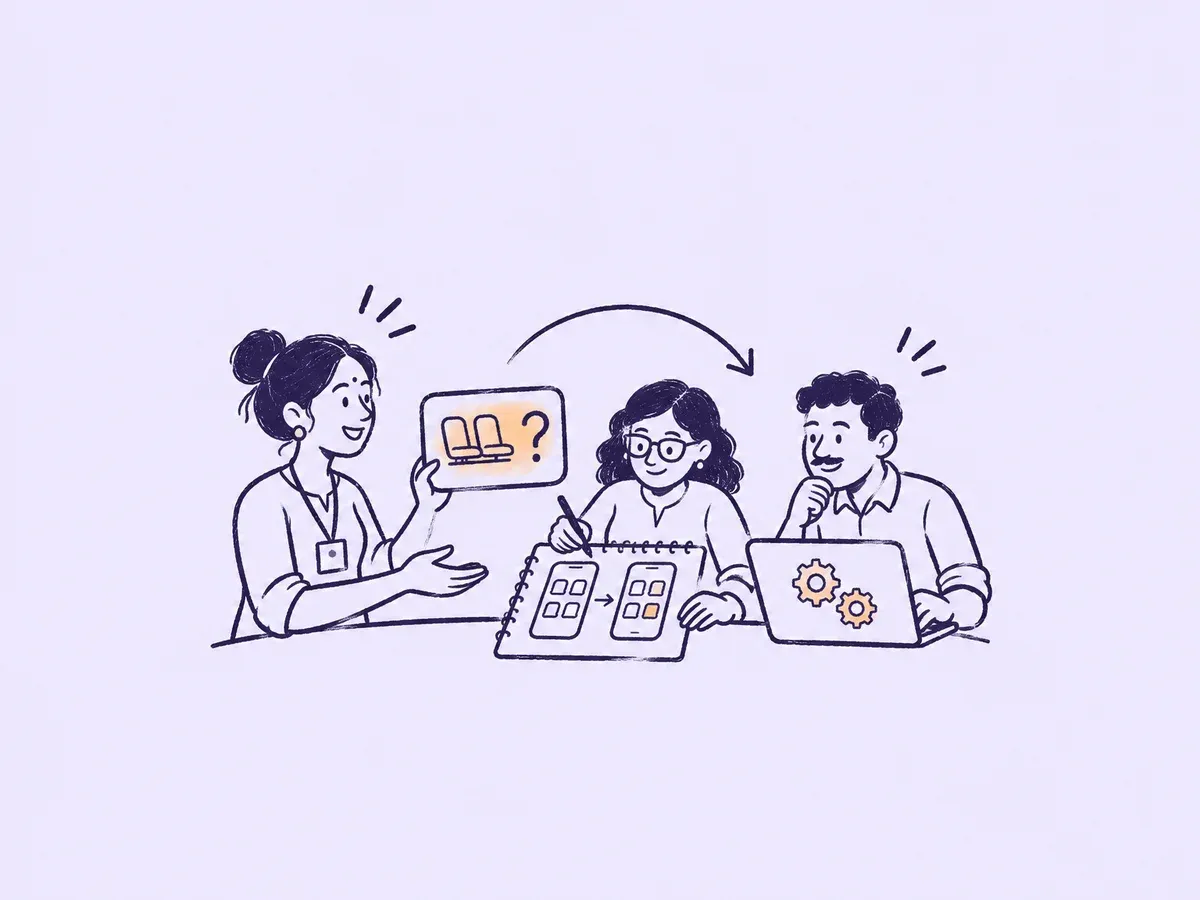
That is the job of Riya, the app’s new product manager (PM). She works out which problem is worth solving, for whom and why it matters now.
She doesn’t write the code or draw the screens. She makes sure the team builds the right thing.
Engineers own the how
Say Riya decides that passengers need a simple way to change seats. That is the “why” and the “what”.
Designers decide how it looks. Engineers decide how it works behind the scenes. A good PM brings them the problem, not a finished solution.
4 big questions
Before backing easy seat change, Riya asks:
- Value: Will passengers want it?
- Usability: Can they work it out?
- Feasibility: Can we build it?
- Viability: Does it work for the business?
A weak answer to any 1 of these can sink the idea.
Users vs business
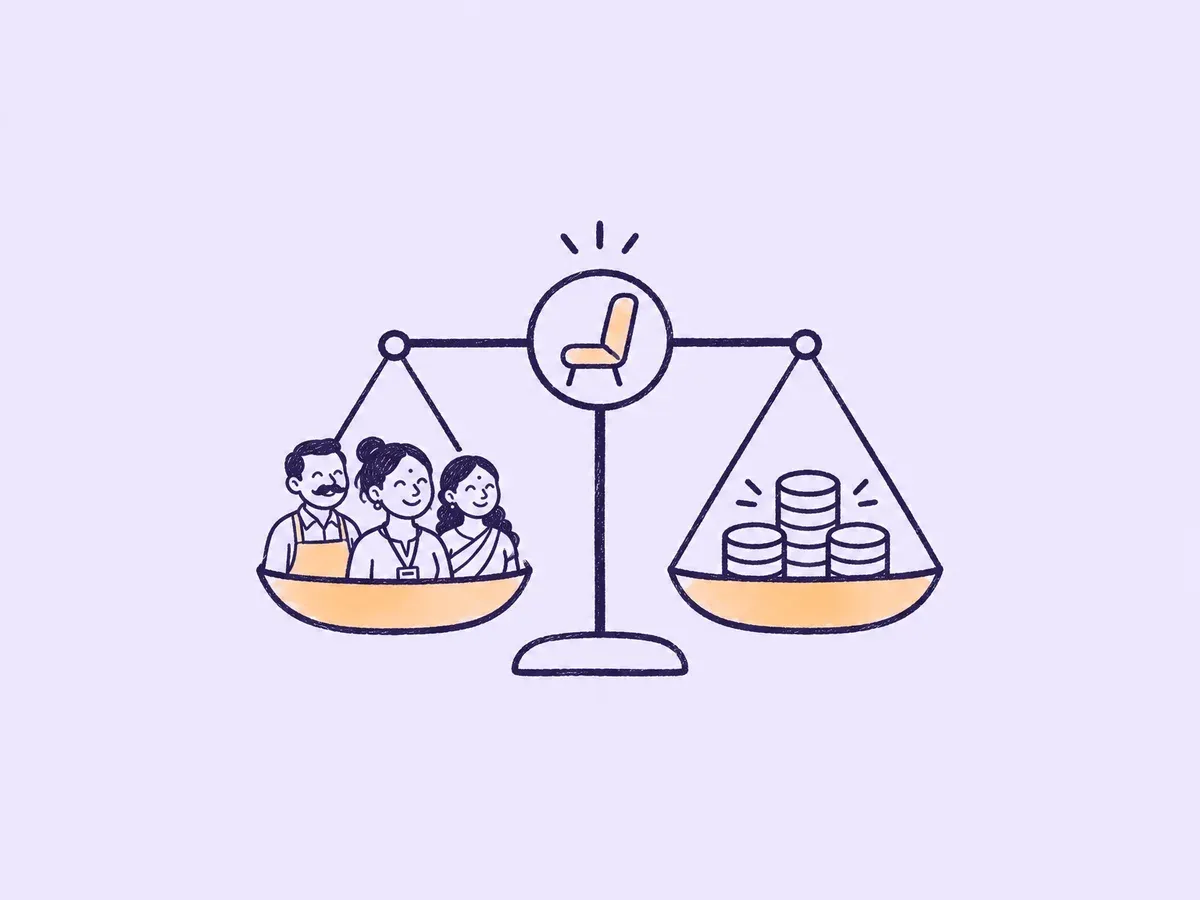
Riya could charge ₹50 for choosing a seat. The company earns more, but passengers feel cheated and may book elsewhere.
Making every seat free pleases passengers but earns nothing. The PM looks for a middle path, like free basic seats and paid window seats.

Leading without authority
Nobody on the team reports to Riya, so she can’t simply give orders. She earns support instead.
She shows engineers what passengers said, shares the numbers and explains her reasoning. People back a clear case, even if they first disagreed.
Riya’s Tuesday
Much of the job is listening, explaining and deciding. Here is a typical day:
10:00 Team check-in11:00 Call 2 passengers13:00 Read booking numbers15:00 Review new designs16:00 Update her manager17:00 Write next week's planNo code, but plenty of decisions.
From users to features
How does Riya decide what to build? She follows 4 steps, which the next 2 lessons explore:
- Segments: Group your users.
- Needs: Find what a group needs.
- Features: List ways to meet that need.
- Priorities: Choose what comes first.
Summary
- Product: Anything people use to solve a problem.
- PM’s role: Decide which problem to solve, for whom and why now.
- Balance: A good decision works for both users and the business.
- Leadership: PMs persuade with evidence, because nobody reports to them.