Agentic AI foundation
A chatbot answers questions, but can it finish a whole task for you? See how tools, the agent loop, memory and skills turn an AI model into an agent.

An intern vs an assistant
Think of a new intern. To order dinner for the team, you tell them every step: which app, which restaurant, what budget.
A trusted assistant needs only the goal: “Order dinner for 4.” They work out the steps themselves.
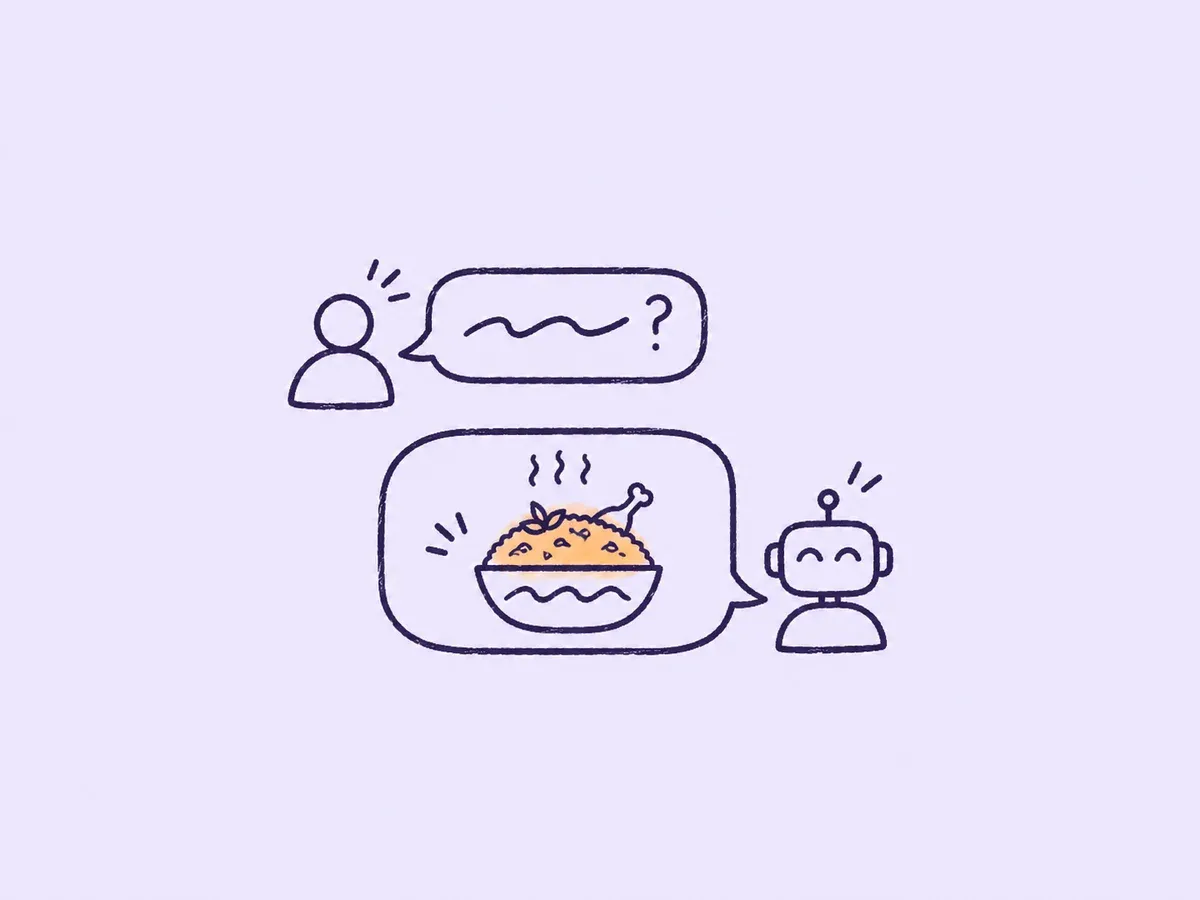
A chatbot only talks
Ask an AI model: “Order biryani for 4 under ₹1,200.”
An AI model only predicts the next word, one after another. Text goes in, text comes out. It can suggest a restaurant, but it can’t place the order.
Tools: the model’s hands
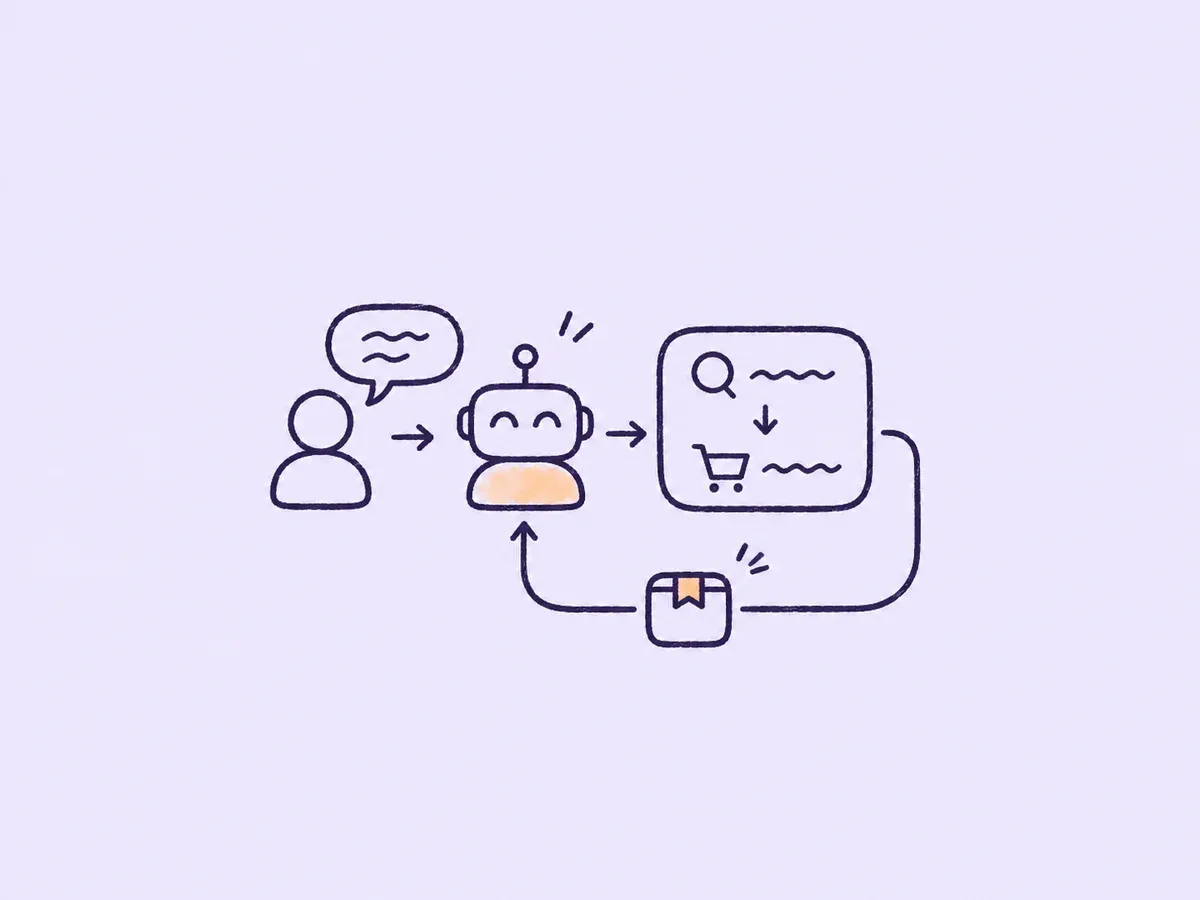
So the platform gives the model a list of actions it may request (AI jargon: “tools”), like searching restaurants or placing an order.
The model asks in text. The platform runs the action and sends back the result. Each request is a “tool call”.
Connectors
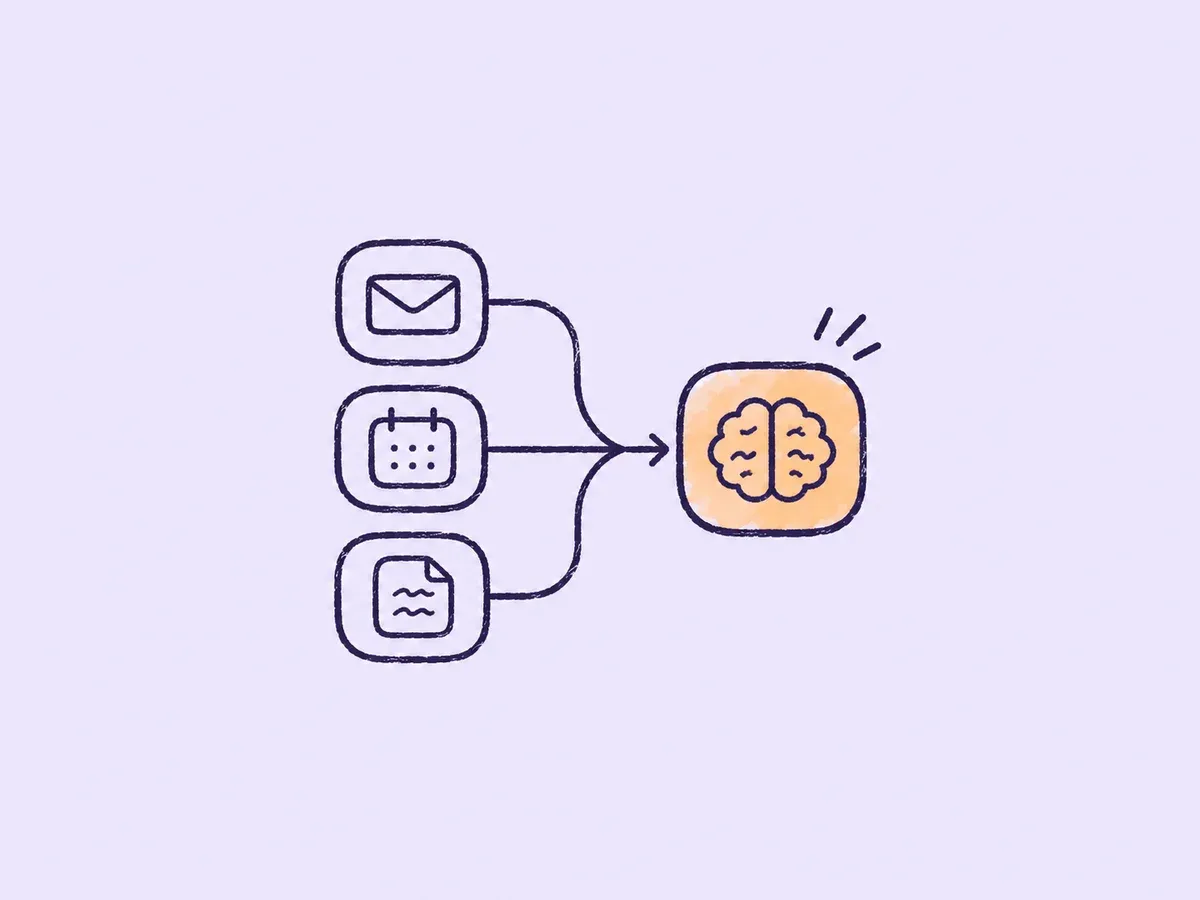
Who builds these tools? It makes sense for each app to build them once, for everyone.
You add these app connections as “connectors” in Claude and through “plugins” in ChatGPT, for example Gmail.
Prompting every step
Even with tools, a chatbot waits for you after each answer. You would have to prompt every step:
- Find biryani places near me
- Show the ones rated above 4
- Which fits 4 people in ₹1,200?
- Add it to the cart
The agent loop
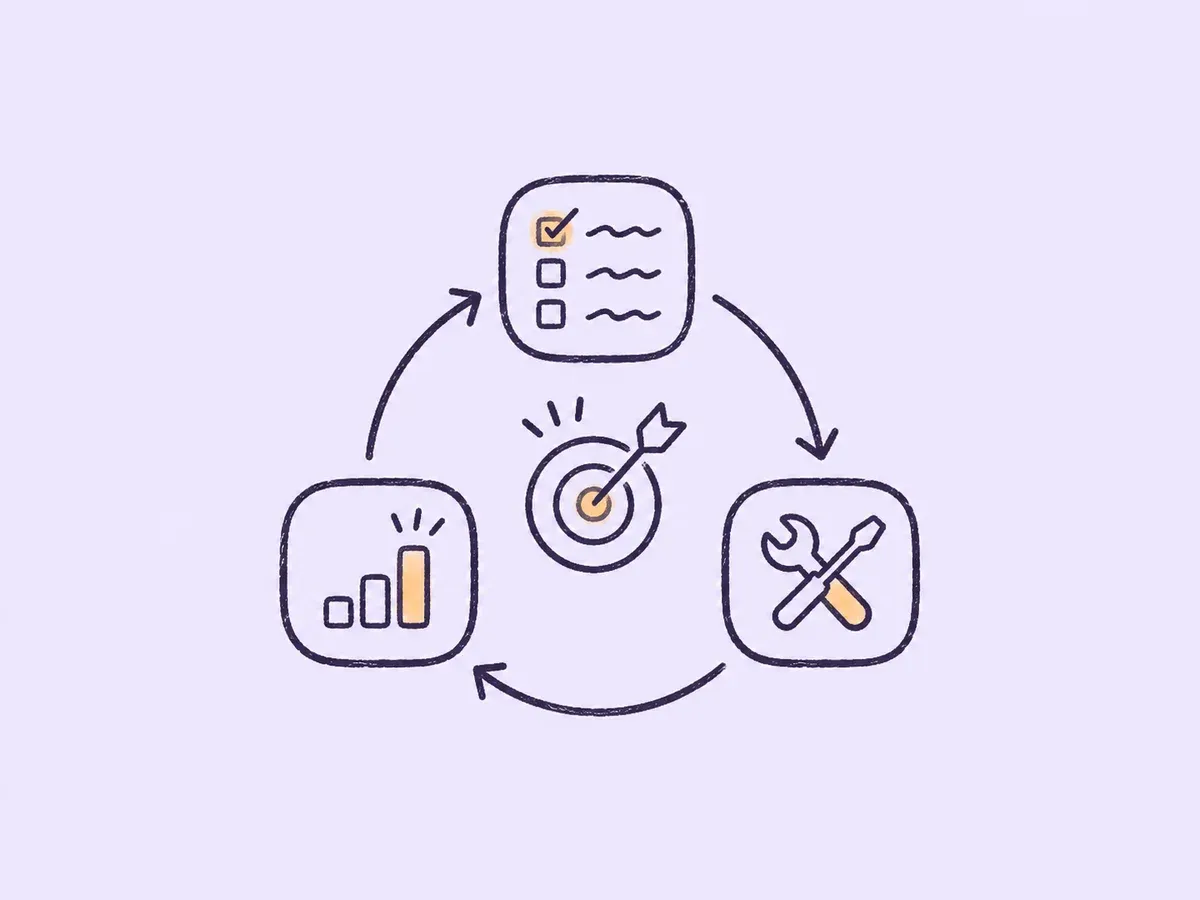
What if the model prompted itself? It plans a step, makes a tool call, reads the result, then plans the next step. This repeats until the goal is met.
A model working in such a loop is called an “agent”.
Inside the loop
Here is what our biryani agent writes to itself:
Goal: biryani for 4, < ₹1,200Think: find biryani placesAct: search restaurantsSee: 3 places rated above 4Think: compare prices for 4Act: read the menusSee: best is ₹1,080Done: ask user to confirmYou gave one goal. The agent did the rest.
Memory
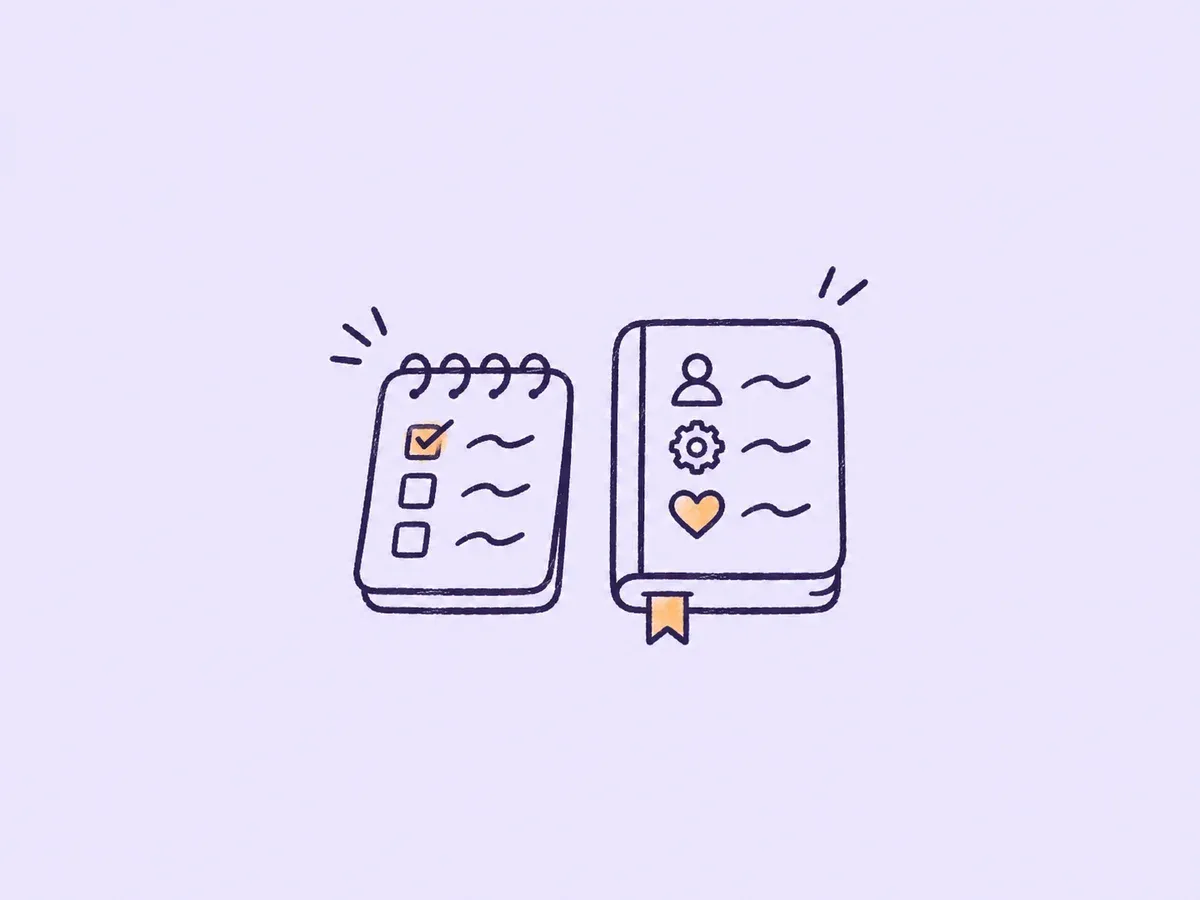
How does the agent keep track? Every message, tool call and result is fed back to the model as text (AI jargon: “context”). That is its short-term memory.
Details saved across chats, like your address or “no egg in my biryani”, are its long-term memory.
Skills
Your office may have its own rules for team dinners. You can write them in a plain-text file and hand it to the agent:
Team dinner rules- Budget: ₹300 per person- Always add 1 veg option- Order before 8 pmSuch a reusable set of instructions is called a “skill”.
You stay in charge
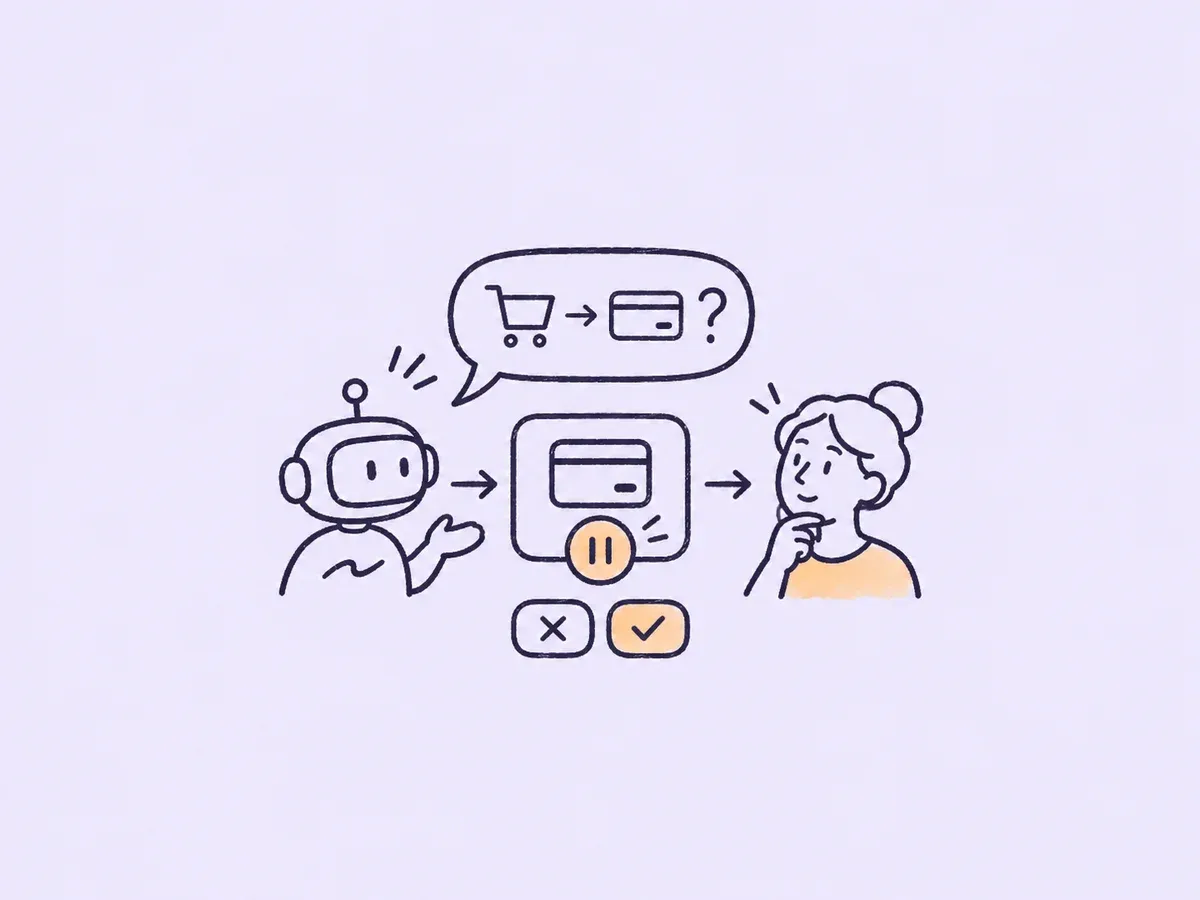
Should an agent spend your money without asking? A well-built agent pauses before risky steps, like paying or sending an email, and asks you to confirm.
You also choose which connectors it may use.
Agentic AI
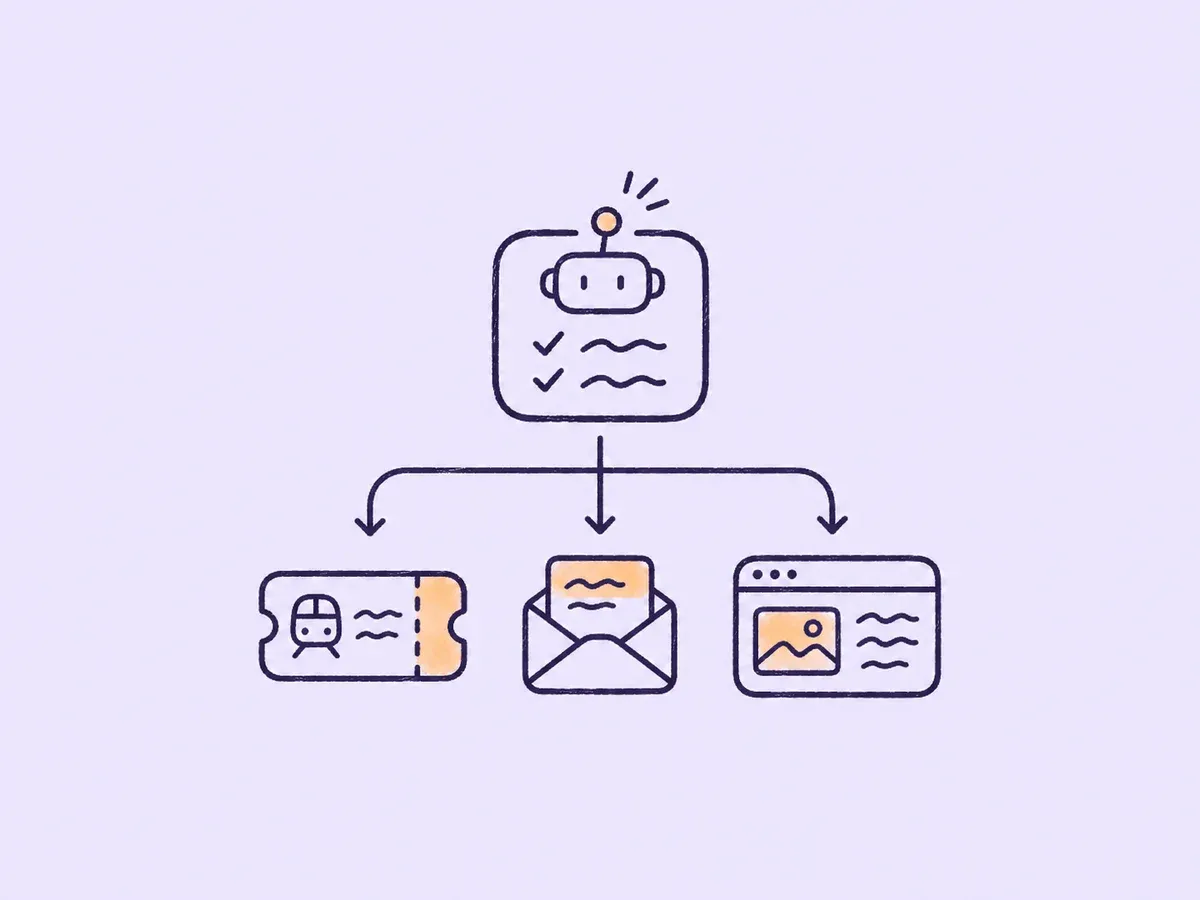
Swap biryani for any goal: booking a train ticket, clearing your inbox, building a website. The recipe stays the same: a model, tools, a loop, memory and skills.
AI that works this way is called “agentic AI”. Next, we’ll see how Claude does it.
Summary
- Tools: Actions a model can request, like searching or ordering. Apps share them through connectors.
- Agent loop: The model plans, acts and checks the result, again and again, until the goal is met.
- Memory: The context is short-term memory. Saved details like your preferences are long-term memory.
- Skills: Reusable plain-text instructions that shape an agent for your own workflow.