Different types of models
Text is just the start. Meet the other types of AI models, from image, video and voice to small and open-weight ones, and what each is good at.
One size doesn’t fit all
So far, we have talked about text models. But AI models come in many types, each built for a different job. Check out openrouter.ai/models to see different types of models.
Text models
Text in, text out. They write, summarise, code and chat. Claude and ChatGPT are built on these. Reasoning models are trained to think step by step before answering. They’re slower but better at maths, code and planning. “Thinking” or “effort” settings control how much they reason.
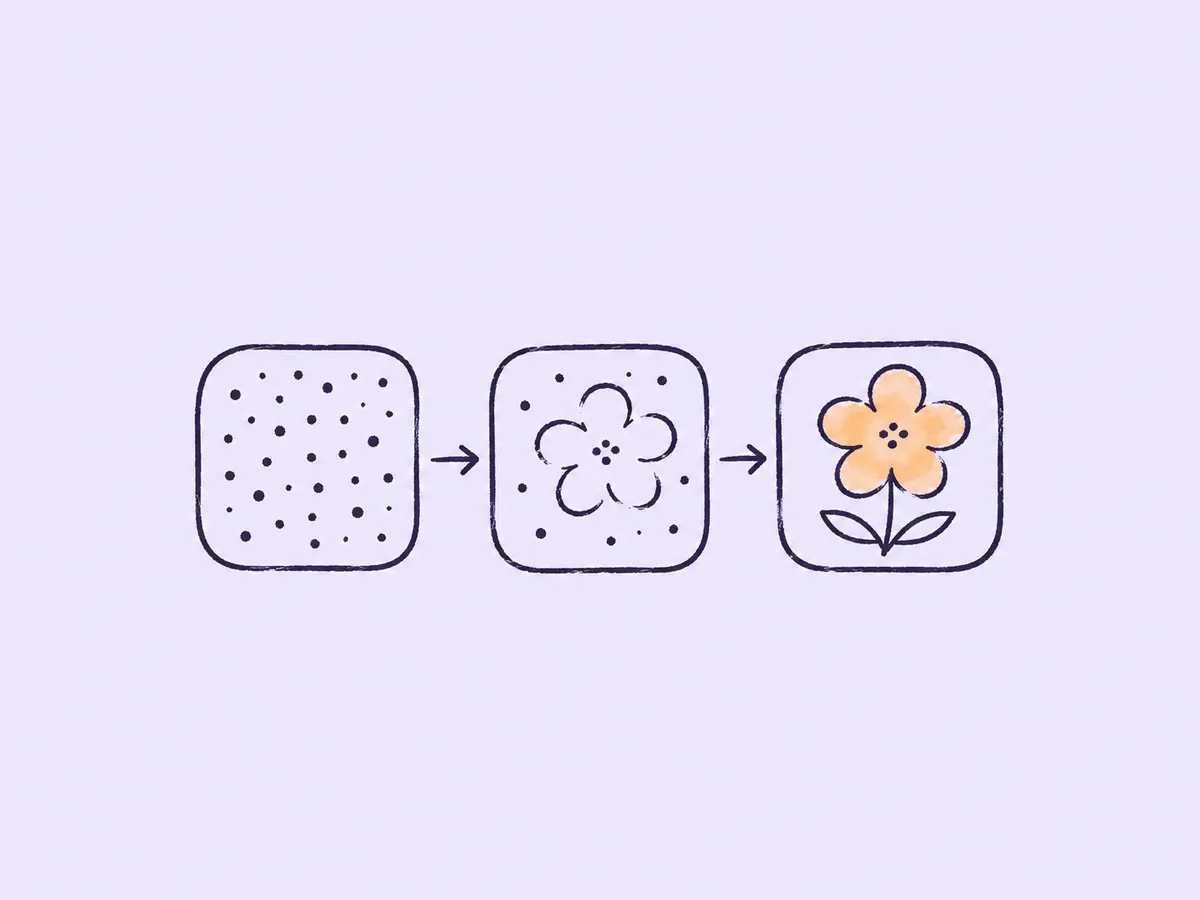
Image generation models
These generate images from text descriptions or reference images. Many start from random noise and gradually clean it up into a picture. Prominent examples include ChatGPT Images, Google’s Nano Banana and Grok Imagine.

Video generation models
These generally take text, reference images or reference videos and output a video. Prominent examples include Seedance, Gemini Omni, HeyGen, MiniMax H3 and Kling.
Voice models
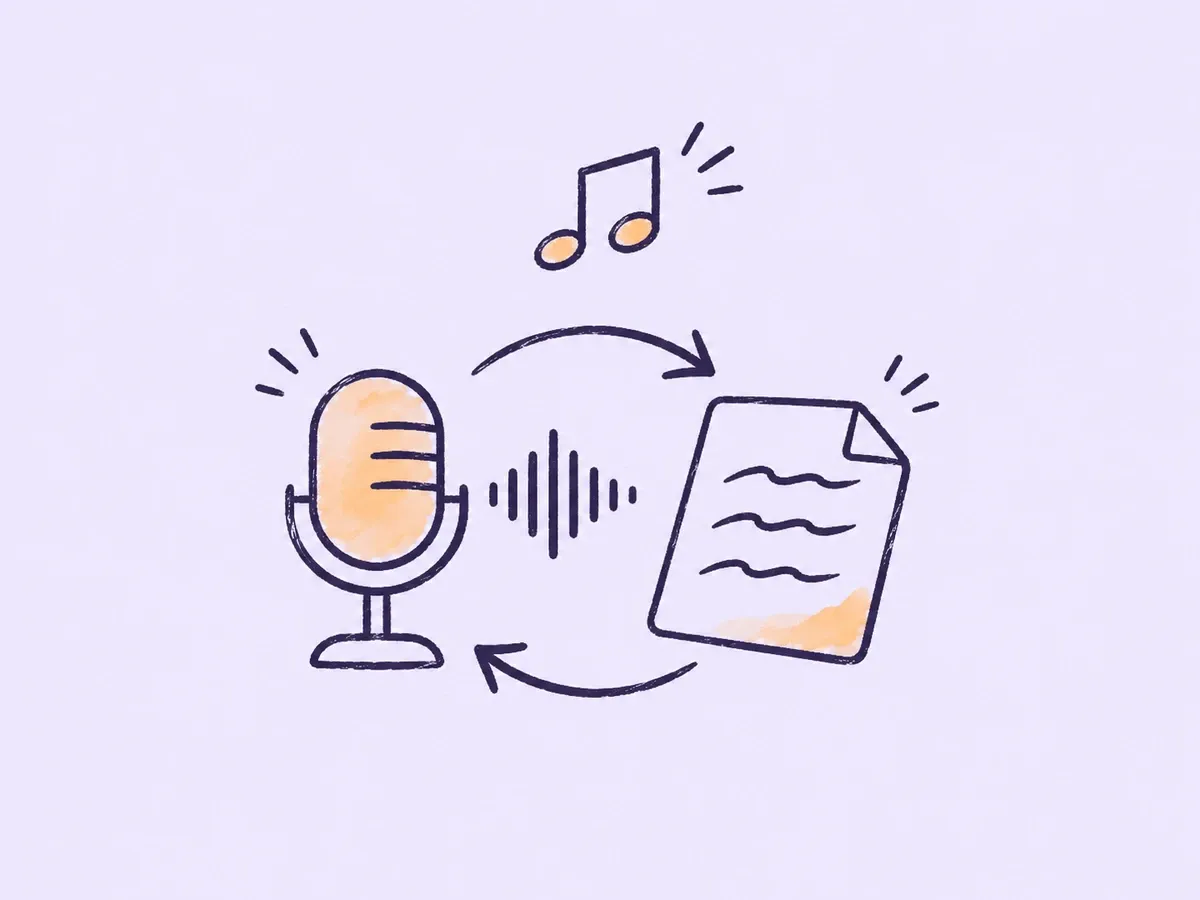
Speech and music generation from text: ElevenLabs, Sarvam, Suno and others.
Transcription (speech to text): Whisper, Scribe and others.
Embedding models
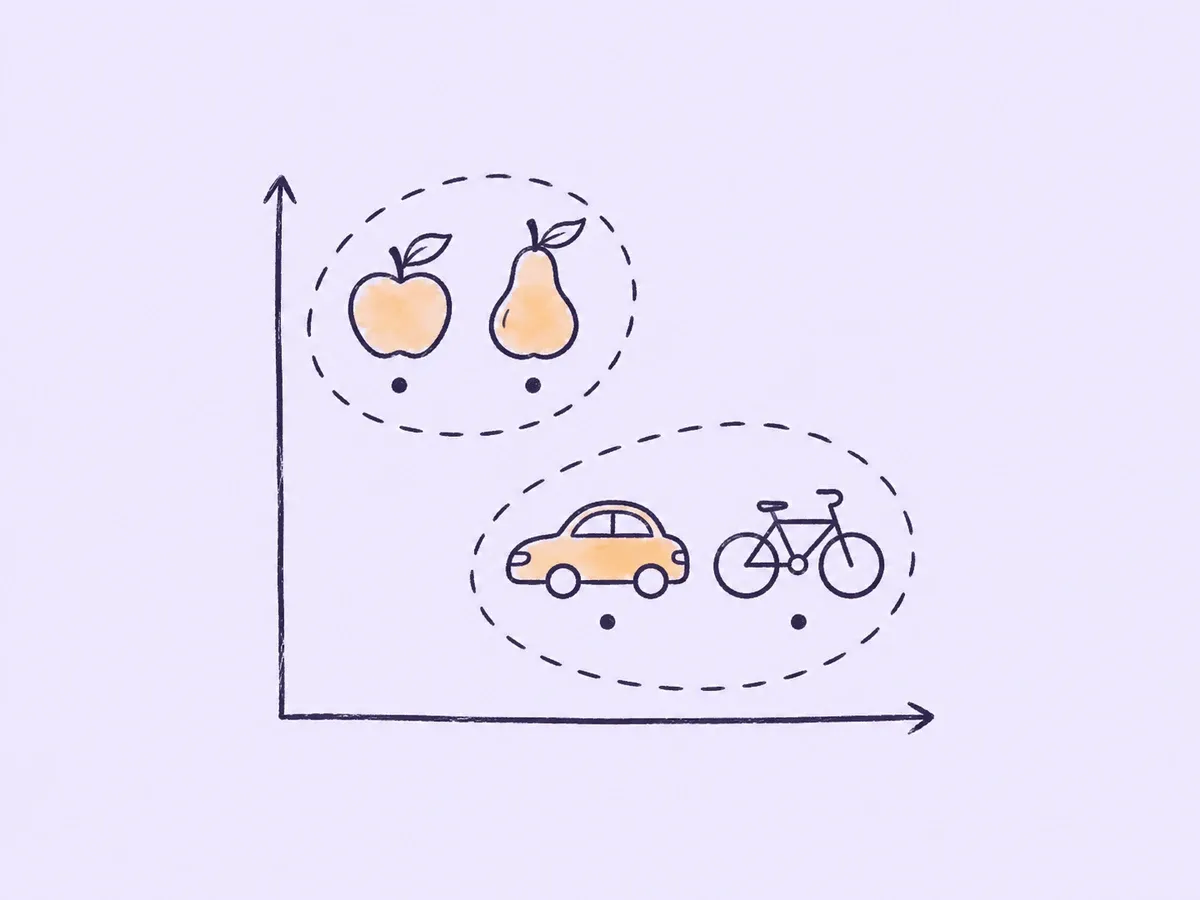
These convert text into numbers (vectors), so that items with similar meaning can be found in a pool of data. RAG applications use them.

Small models
These have far fewer parameters, small enough to run on your own device with decent RAM and a good graphics card. A notable example is Google’s Gemma (~30B parameters).

Open-weight models
These can be any of the model types above, but their weights are public, so anyone can download and run them on their own infrastructure (subject to the licence). Notable ones are Mistral, DeepSeek, Kimi, GLM, Qwen, Meta’s Muse Spark Open and OpenAI’s GPT-OSS.